




Market News
Oil slips 6% as US, Iran seen moving closer to peace deal - REUTERS
Key Points
- Washington cites progress in Iran conflict resolution
- Trump says there is no rush for Iran deal, US blockade stays
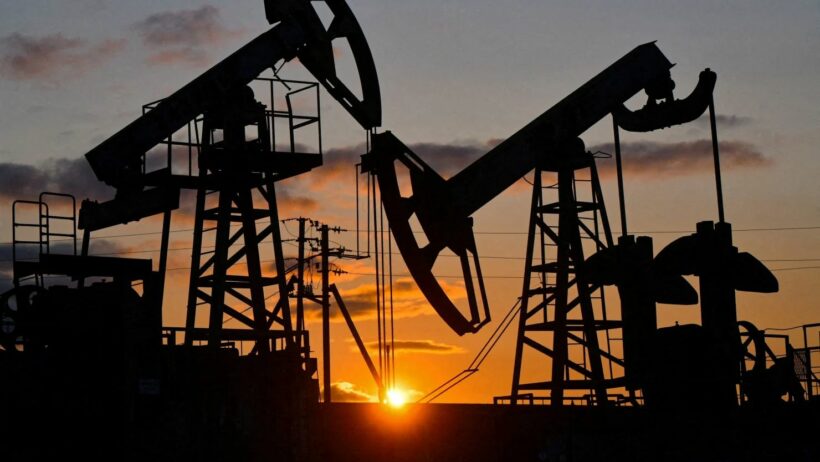
Alexander Manzyuk | Reuters
SINGAPORE, May 25 (Reuters) – Oil prices fell 6% to two-week lows on Monday, as optimism grew that the United States and Iran were moving closer to a peace deal, even though they remain at odds over key issues, such as blockades on the Strait of Hormuz.
Brent crude futures LCOc1 fell $5.85, or 5.7%, to $97.69 a barrel by 0343 GMT, while U.S. West Texas Intermediate CLc1 were at $90.85 a barrel, down $5.75, or 6%. Both contracts touched their lowest since May 7 earlier in the session.
On Saturday, U.S. President Donald Trump said Washington and Iran had “largely negotiated” an understanding on a peace deal that would reopen the Strait of Hormuz, which had carried a fifth of global shipments of oil and liquefied natural gas before the conflict.
“Notwithstanding all the caveats and risks that remain to the peace deal and Strait of Hormuz, there is now some light at the end of the tunnel, which will bring some near-term oil price relief,” said MST Marquee analyst Saul Kavonic.
However, the two sides remain at odds on several difficult issues, with Trump saying on Sunday he had told his representatives not to rush into any deal with Iran.
“We’ve been at this stage before, only for talks to break down. Therefore, the market will likely be more cautious about overreacting,” said Warren Patterson, head of commodities strategy at ING.
Analysts expect a return to normal oil flows through the strait will take months, while damaged oil and gas facilities are repaired.
“The longer the crisis stretches, the more debatable it becomes whether world leaders genuinely want a quick end to disruptions,” said Phillip Nova analyst Priyanka Sachdeva.
U.S. energy firms responded to higher local energy prices by adding oil and natural gas rigs for the fifth week in a row, for the first time since February 2025.
The rig count, an early indicator of future output, rose by seven to 558 in the week to May 22, its highest since June 2025. Even so, Baker Hughes said the total count was still down eight rigs, or 1% below this time last year.
“Momentum indicators suggest markets are attempting to stabilise after last week’s aggressive selloff, but conviction remains weak,” Sachdeva said.





